Spring Maintenance
Uncategorized
February 16, 2026
February 16, 2026
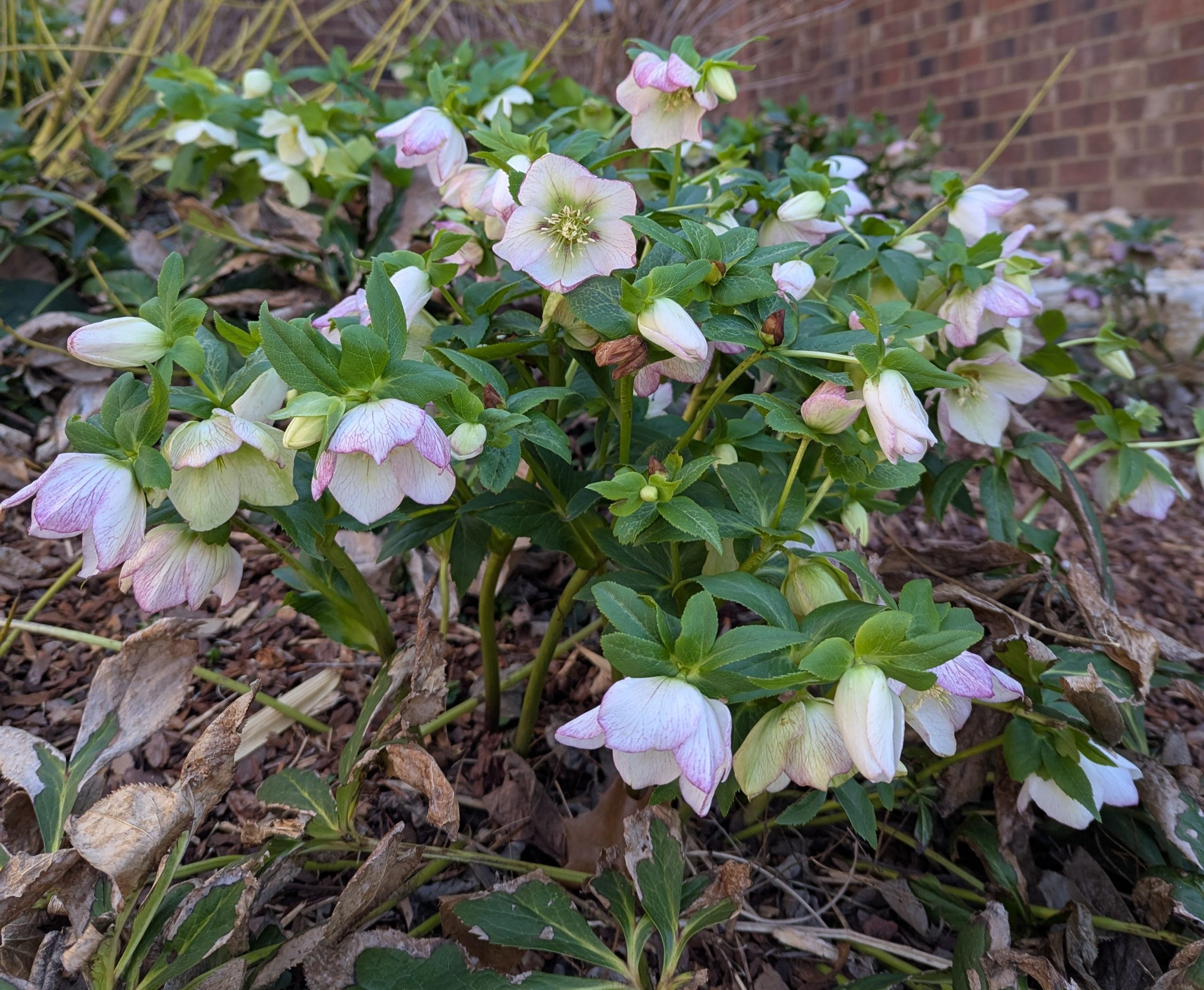
Now’s the time of year for spring cleaning, and your garden is no exception! If you’re not sure where to start, we’ll guide you through, so get out there, get your clothes dirty, and show your plants a little love!
First off, you’re going to want to weed and remove all the dead foliage from last year, as this will reduce risk for disease. General pruning should be conducted to maintain the natural growth habits/shapes of plantings except in cases where overgrowth is an issue, or the design intent is to create or maintain a hedge or special shape. Prune plants in appropriate season to prevent loss of flower, fruit, or vitality. For example, all Smooth and Panicle hydrangeas bloom on new wood, so they can be pruned in late fall or early spring. Ornamental grasses, such as Miscanthus, Muhly, Switchgrass, and Feather reed can be pruned back by two thirds, allowing them to continue growing at a steady pace and produce vibrant blades.
After your plants are well taken care of, shift your focus to the soil. Before you fertilize, take a sample of your soil and give it to a local agricultural center like UT Soil, Plant, and Pest Center or Ellington Agriculture Center to receive a detail analysis of your soil composition. This will tell you the physical makeup, nutrient levels, any fungi/bacteria, etc. Now you can buy the fertilizer with the correct nutrients to best suit your plants and apply it around their bases near the roots. Finally, apply a fresh layer of mulch around your garden for better weed suppression and water retention.